Cataracts: Treatment, Home Care and What Not to Rely On
Cataracts are a clouding of the eye's lens, and they tend to worsen slowly over time. Surgery is the only way to remove a cataract, but daily habits and early adjustments can help people manage while vision is still workable. This page covers what an eye doctor may do, what can be done at home, and which claims deserve caution.
- Surgery is the only way to remove a cataract; glasses, lighting, and glare control help only with symptoms.
- Not smoking, UV protection, and diabetes management are practical risk-reduction steps.
- In AREDS2, lutein and zeaxanthin did not significantly reduce cataract surgery overall; a possible benefit in people with low dietary intake needs more study.
- No supplement has been shown to clear or reverse a cataract.
- See an eye doctor for diagnosis, monitoring, and any decision about surgery.
What an eye doctor may recommend
A cataract is diagnosed with a dilated eye exam. The right plan depends on how much the cloudy lens interferes with daily life, not just on whether a cataract is present.[1]
In the early stages, an eye doctor may suggest stronger eyeglasses, better lighting, anti-glare lenses, or magnifying lenses. These measures help the person see more comfortably. They do not remove the cataract.[1][2]
Many cataracts are simply monitored at regular checkups. Waiting is often reasonable when vision still meets a person's needs. A change in symptoms is a good reason to book an earlier visit.
Cataract surgery: the only way to remove a cataract
Surgery is the only treatment that removes a cataract. The surgeon takes out the clouded lens and usually replaces it with a clear artificial lens.[1][2]
The decision to operate is usually based on how much the cataract affects activities such as reading, driving, or seeing at night. Needing surgery is not an emergency in most cases, so there is usually time to ask questions and compare options.[2]
Questions to bring to the appointment
- How much is the cataract affecting my daily tasks?
- Could other eye conditions, such as diabetes-related eye changes, affect the results?
- What type of replacement lens is suitable, and what will glasses still be needed for afterward?
- What are the risks, and how will recovery be monitored?
An ophthalmologist can explain the risks and benefits for a specific eye. Surgery is a medical decision, not something to put off or rush because of an online article.
Daily habits and home care while vision changes
Home care does not clear a cataract, but it can make daily life safer and more comfortable until a decision about surgery is made.
- Improve lighting. Brighter, well-placed light for reading and close work may ease the strain of dimmed vision.[1]
- Reduce glare. Anti-glare lenses and sunglasses may help with glare from headlights or sunlight.[1]
- Use magnification. Magnifying lenses can help with small print.[1]
- Keep prescriptions current. An updated glasses prescription can help in early stages.[2]
- Be careful at night. If driving after dark becomes difficult, talk with an eye doctor. Trouble with night vision is a common reason people seek an exam.[1]
Sudden changes are different. Abrupt vision loss, eye pain, or flashes and floaters call for prompt medical attention rather than home care.
Prevention and risk reduction
Age is the main risk factor for cataracts. Other factors include diabetes, smoking, and long-term exposure to ultraviolet (UV) light.[1][2] Age cannot be changed, but some of the other factors can be addressed.
- Do not smoke. Quitting is one of the most practical steps for overall eye health.[1]
- Protect eyes from UV light. Sunglasses that block UV rays and a wide-brimmed hat are simple options.[1]
- Manage diabetes. People with diabetes should follow their care plan and keep up with eye exams.[1]
- Get regular dilated exams. Cataracts and other conditions are easier to track when they are found early.[1]
These steps may lower risk or slow changes, but none can guarantee a person will avoid cataracts.
What the AREDS2 research found about lutein and zeaxanthin
AREDS2 was a large National Eye Institute study that tested supplements in people at risk of advanced age-related macular degeneration. It also looked at cataract outcomes.[3][4]
In the cataract analysis, adding lutein and zeaxanthin did not significantly reduce the need for cataract surgery in the group as a whole.[4]
The researchers noted a possible benefit in people whose diets were lowest in lutein and zeaxanthin. That was a subgroup finding, so it should be read as a lead for further study rather than proof.[4]
The participants were also not a general population. The study design centered on people at risk for macular degeneration, so the results may not apply to everyone.[3]
The evidence does not show that these supplements remove or reverse a cataract.
What not to rely on
Cataracts develop in the lens, and no pill, drop, or exercise has been shown to clear a cataract once it forms. Surgery remains the only way to remove one.[1][2]
Be cautious about:
- Claims that a supplement dissolves or reverses cataracts. The sources reviewed here do not support such claims.[1][4]
- Assuming an eye vitamin is a substitute for surgery or exams. Delaying care can leave vision worse than necessary.
- Treating all blurry vision as a cataract. Blurry vision has many causes, and only an exam can sort them out.
- Starting supplements without medical advice. Supplements can interact with medicines or be unsuitable for some people, so check with a doctor or pharmacist first.
A balanced diet with plenty of fruits and vegetables is a reasonable general habit. It is not a proven way to prevent or remove a cataract.
Eye supplements we have reviewed
Want to compare products? Read what the research says about nutrients for cataracts first, then compare the products below.
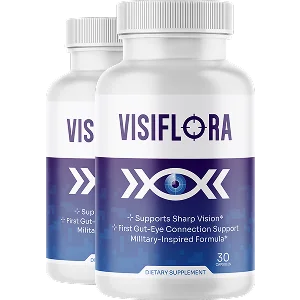
VisiFlora
Listed ingredients: Astaxanthin, Vitamin C, Vitamin E, Copper, Selenium, Chromium
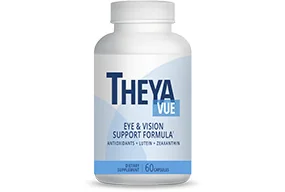
TheyaVue
Listed ingredients: Lutein, Zeaxanthin, Vitamin C, Calcium, Vitamin E, Bilberry Extract
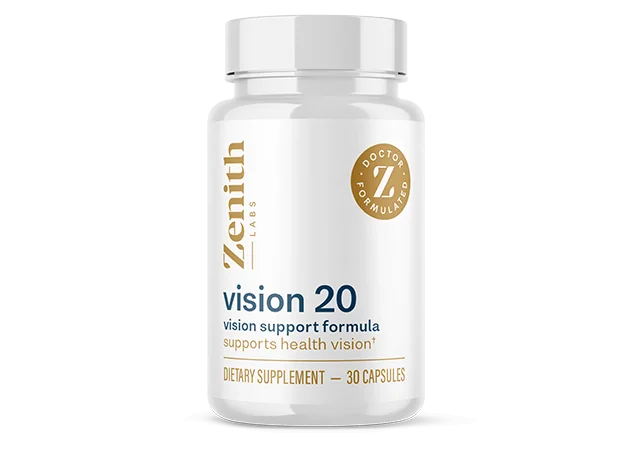
Vision 20
Listed ingredients: Lutein, Zeaxanthin, Zinc, Beta-carotene, Lycopene, Rose Hips
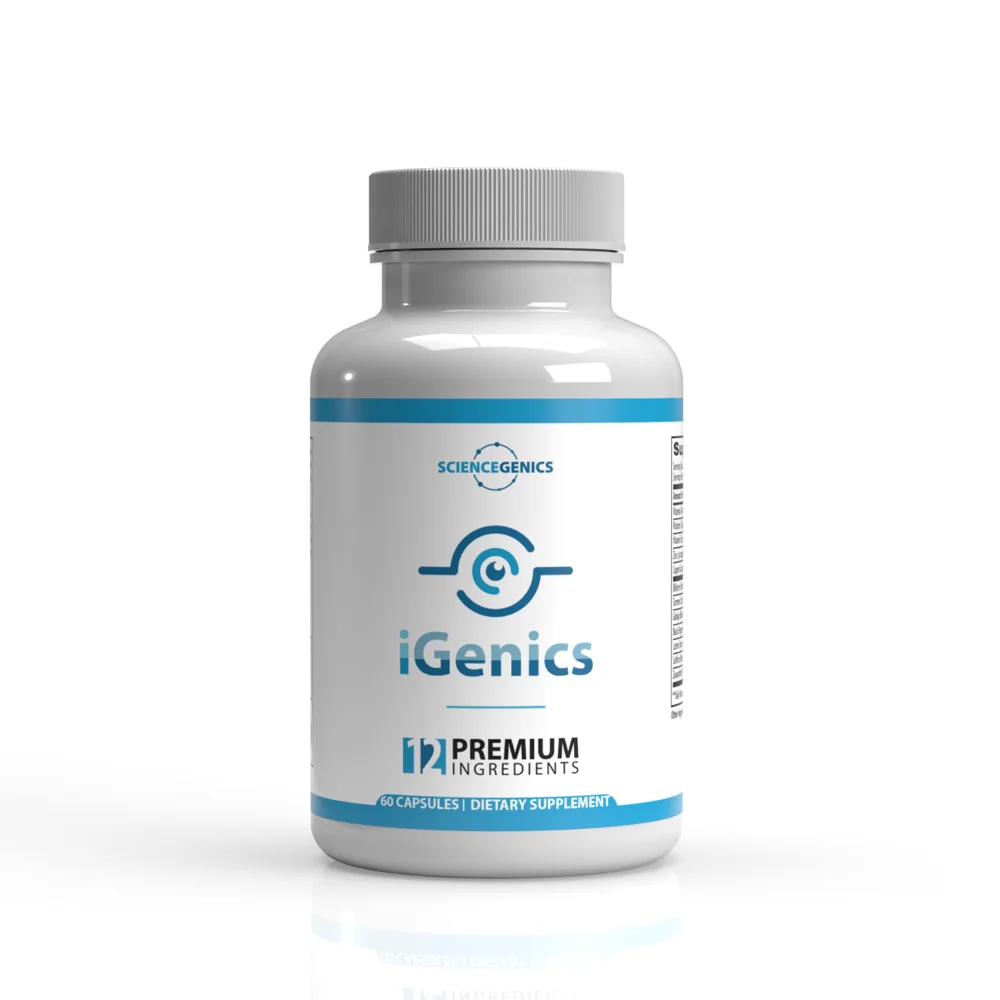
iGenics
Listed ingredients: Ginkgo biloba, AREDS-2 formula ingredients (not itemized), Bilberry, Saffron, Turmeric + BioPerine
Frequently asked questions
Can cataracts go away without surgery?
No. A cataract does not clear on its own, and surgery is the only way to remove it. Early on, stronger glasses, better lighting, and anti-glare lenses may help with symptoms. An eye doctor can advise when surgery makes sense.[1][2]
Do lutein and zeaxanthin supplements help cataracts?
Evidence is limited. In AREDS2, they did not significantly reduce cataract surgery across the whole study group. A possible benefit appeared among people with the lowest dietary intake, but that was a subgroup finding.[4]
How can I lower my risk of cataracts?
Age is the main risk factor, but smoking, diabetes, and UV exposure also play a role. Not smoking, wearing UV-blocking sunglasses, managing diabetes, and getting regular eye exams are sensible steps. They may lower risk but cannot guarantee prevention.[1][2]
When should I see an eye doctor about vision changes?
See an eye doctor if vision becomes cloudy, glare bothers you, or daily tasks get harder. Sudden vision loss, eye pain, or new flashes and floaters need prompt attention. Only an exam can tell cataracts apart from other eye problems.[1]