Nutrients and Supplements for Cataracts: What the Research Shows
Many people with early lens clouding wonder whether a vitamin or eye supplement can slow it down. The research is limited, and the best-known trial of lutein and zeaxanthin did not show a clear overall benefit for cataracts. This page covers which nutrients have been studied, what those studies did and did not find, safety points, and how to judge an eye supplement label.
- Surgery is the treatment for cataracts that interfere with daily life; no supplement has been shown to remove a cataract.
- In AREDS2, lutein and zeaxanthin did not significantly reduce cataract surgery overall, though a low-dietary-intake subgroup showed a possible benefit.
- AREDS and AREDS2 formulas were built mainly around macular degeneration, not cataracts.
- Smokers and former smokers should avoid beta-carotene supplements because of lung cancer risk seen in earlier research.
- Be skeptical of cure claims and vague ingredient blends, and talk to an eye doctor before starting a supplement.
Start with what supplements cannot do
A cataract is a clouding of the eye's lens. It is common with age and develops gradually. Typical changes include blurry or cloudy vision, faded colors, glare, and trouble seeing in dim light[1]. Readers who notice these changes can find more in the guides on blurry vision and night vision problems.
When cataracts begin to interfere with daily life, surgery is the treatment that removes the cloudy lens and replaces it with a clear artificial one[1][2]. No supplement has been shown to remove a cataract or restore vision that has been lost to one. Anyone with vision changes needs an eye exam, because blurry vision can also come from other conditions that need different care.
Known risk factors include older age, ultraviolet light exposure, smoking, and diabetes[1][2]. Nutrition is one small part of a larger picture. Not smoking, managing blood sugar, and wearing sunglasses that block UV light address risks that are better established than any supplement.
Lutein and zeaxanthin: what AREDS2 found for cataracts
Lutein and zeaxanthin are carotenoids found in the eye. They are the nutrients most often marketed for cataracts, so the best trial evidence deserves a careful look.
The Age-Related Eye Disease Study 2 (AREDS2) was a large, controlled trial that tested lutein and zeaxanthin, among other nutrients, in older adults[3]. A published analysis looked at cataract outcomes, including cataract surgery and loss of visual acuity[4].
What the study did show:
- Overall, adding lutein and zeaxanthin did not significantly reduce the need for cataract surgery or the risk of moderate vision loss compared with placebo[4].
- In an exploratory look at subgroups, people whose usual diets were lowest in lutein and zeaxanthin appeared to have a lower chance of needing cataract surgery when they took the supplement[4].
What the study did not show:
- It did not show that these nutrients prevent cataracts or reverse existing ones.
- Subgroup findings are weaker than the main result. They can suggest ideas for future research but do not prove a benefit.
The fair summary is that lutein and zeaxanthin may support lens health in people with low dietary intake, but the evidence is limited and the main result was neutral. The participants were older adults, so the findings do not automatically apply to younger people or to those who already eat well.
Vitamins C, E, zinc, copper, and beta-carotene
The original AREDS and AREDS2 trials were designed mainly around macular degeneration, not cataracts. The AREDS formulas contain vitamin C, vitamin E, zinc, and copper, and the AREDS2 version adds lutein and zeaxanthin[3]. These formulas are meant for people at risk of advanced macular degeneration, and a supplement taken for that purpose is not a cataract treatment[3].
Beta-carotene was part of the first AREDS formula. It was removed from the AREDS2 formula because of a higher lung cancer risk in smokers and former smokers[3]. Anyone who smokes or used to smoke should be especially careful with beta-carotene products and should read labels for it.
Other nutrients are often promoted for cataracts, including bilberry, grape seed extract, taurine, alpha lipoic acid, and herbal blends. The sources used for this page do not provide good evidence that these ingredients prevent or slow cataracts. Evidence for them is limited or absent, and marketing claims often run ahead of the research.
Food sources and eating patterns
Lutein and zeaxanthin occur naturally in the diet, and the AREDS2 cataract analysis compared people according to how much they usually got from food[4]. That is part of why the low-intake subgroup result matters: the people who seemed to gain the most were those who ate the least of these nutrients.
The practical takeaway is to build a varied diet rich in vegetables and fruit rather than relying on a pill to make up for a poor diet. Food supplies many nutrients together, and no single supplement replicates that mix. Vegetables and fruit also support the blood sugar and general health goals that matter for people at risk of diabetes-related eye problems.
The sources reviewed here do not give exact food amounts or rankings, so specific serving targets are best discussed with a doctor or registered dietitian. A broader overview of daily habits is in the guide to eye health.
Doses and safety
The AREDS2 formula used 10 mg of lutein and 2 mg of zeaxanthin per day, along with vitamin C, vitamin E, zinc, and copper[3]. These amounts were tested in a research setting and in people at risk of advanced macular degeneration. They are not a recommended cataract dose.
Safety points to keep in mind:
- Smokers and former smokers: avoid products containing beta-carotene unless a doctor approves, because of the lung cancer finding noted above[3].
- Zinc and copper: the AREDS formulas pair zinc with copper. High zinc intake can interfere with copper balance, so products with large zinc doses and no copper deserve a second look[3].
- Medications and health conditions: some herbal ingredients, such as ginkgo, may interact with blood thinners or other drugs. Anyone taking prescription medicine, or planning cataract surgery, should tell the care team about every supplement used.
- More is not better: high doses of any single nutrient can cause problems and have not been shown to help cataracts.
Supplements are not a reason to delay an eye exam. Cataract symptoms that interfere with driving, reading, or safety call for an evaluation by an eye doctor.
How to judge an eye supplement label
Eye supplement labels often promise more than the research supports. These checks help sort the claims.
Look at the claims
- Be wary of any label or website that says a product dissolves, removes, reverses, or cures cataracts. Surgery is the treatment for cataracts that affect daily life[1].
- Words such as "supports eye health" are common and vague. They do not mean the product has been shown to help cataracts.
Compare the ingredients to the research
- Check whether the amounts of lutein and zeaxanthin are listed and how they compare with the 10 mg and 2 mg used in AREDS2[3].
- Check whether a product that says "AREDS2" actually lists each ingredient and amount. A vague mention without amounts makes it impossible to compare with the trial formula.
- Treat ingredients with no cataract research, such as many herbal extracts, as unproven rather than as bonus benefits.
Read the fine print
- Look for beta-carotene if you smoke or used to smoke.
- Check zinc and copper amounts and whether they are balanced.
- Look for "proprietary blends" that hide individual amounts.
- Consider third-party testing seals, which can show that a product contains what the label says, though they do not show that it works.
A label that is honest about limited evidence is a better sign than one filled with dramatic promises.
Eye supplements we have reviewed
These are the 4 eye-health supplements we have reviewed on HealthSupplements.best. None of them is proven to treat or prevent cataracts; talk to your eye doctor before starting any supplement, especially if you take other medicines.
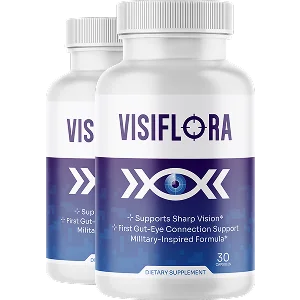
VisiFlora
Vitamin C, vitamin E, copper, and selenium overlap with antioxidant nutrients studied in the AREDS research, which focused mainly on macular degeneration rather than cataracts. Astaxanthin, grape seed extract, rutin, quercetin, taurine, alpha lipoic acid, ginkgo, coleus forskohlii, and eyebright have no good evidence from the sources reviewed for preventing or slowing cataracts, and ginkgo may interact with some medicines.
Listed ingredients: Astaxanthin, Vitamin C, Vitamin E, Copper, Selenium, Chromium
TheyaVue
Lutein and zeaxanthin relate to the AREDS2 cataract analysis, which showed no significant overall effect on cataract surgery but a possible benefit in people with low dietary intake. Vitamin C, vitamin E, and zinc appear in AREDS-type formulas for macular degeneration; bilberry and rutin have no good cataract evidence in the sources reviewed.
Listed ingredients: Lutein, Zeaxanthin, Vitamin C, Calcium, Vitamin E, Bilberry Extract
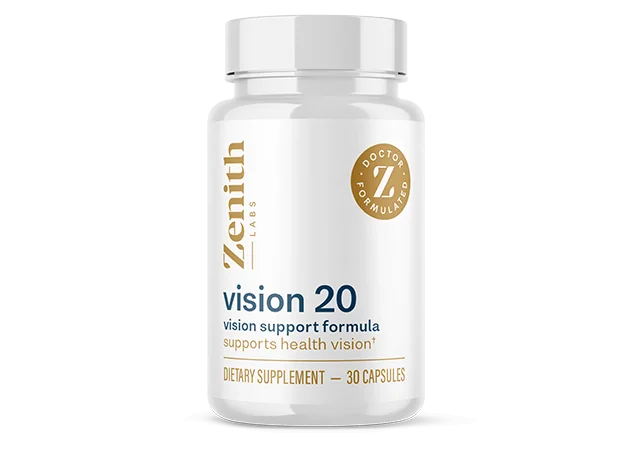
Vision 20
Lutein and zeaxanthin relate to AREDS2, where the overall cataract result was neutral with a possible benefit only in a low-intake subgroup. Beta-carotene was removed from the AREDS2 formula because of lung cancer risk in smokers and former smokers, so it deserves caution. Lycopene, taurine, grape seed extract, bilberry, and rose hips have no good evidence for cataracts in the sources reviewed.
Listed ingredients: Lutein, Zeaxanthin, Zinc, Beta-carotene, Lycopene, Rose Hips
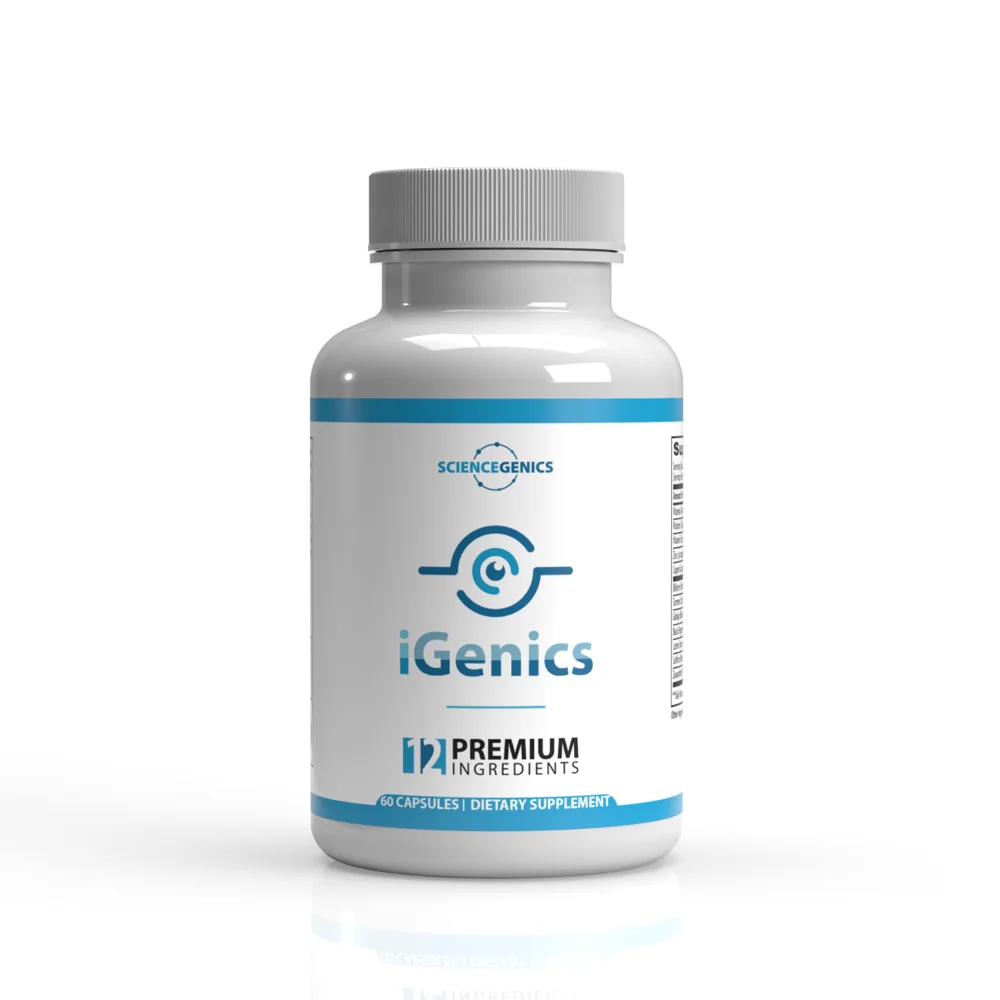
iGenics
The label refers to an AREDS-2 style formula but does not itemize the ingredients, so it cannot be compared with the trial amounts. Those nutrients were studied mainly for macular degeneration, and the cataract results for lutein and zeaxanthin were neutral overall. Ginkgo, bilberry, saffron, and turmeric have no good cataract evidence in the sources reviewed, and ginkgo may interact with blood thinners.
Listed ingredients: Ginkgo biloba, AREDS-2 formula ingredients (not itemized), Bilberry, Saffron, Turmeric + BioPerine
Frequently asked questions
Can a supplement cure or dissolve a cataract?
No. Cataracts are clouding of the lens, and surgery is the treatment when they interfere with daily life[1]. No supplement has been shown to reverse a cataract. Anyone with vision changes should see an eye doctor.
Do lutein and zeaxanthin help prevent cataracts?
Evidence is limited. In AREDS2, the supplement did not significantly reduce the need for cataract surgery overall, but people with the lowest dietary intake showed a possible benefit[4]. That subgroup result is not proof.
Is an AREDS2 supplement meant for cataracts?
The AREDS and AREDS2 formulas were designed mainly for people at risk of advanced macular degeneration[3]. Taking one for cataracts is not supported by strong evidence, so ask an eye doctor whether it fits your situation.
What matters more than supplements for cataract risk?
Known risk factors include age, UV exposure, smoking, and diabetes[1][2]. Quitting smoking, managing blood sugar, and protecting the eyes from UV light address risks that are better established than any supplement.