Cataracts FAQ: Common Questions About Symptoms, Risks, Surgery and Supplements
Cataracts are common, and noticing changes in your vision can be worrying. This page answers the questions people ask most, from early signs to surgery to what research says about lutein and zeaxanthin. It is general information and cannot replace an eye exam.
- A cataract is a clouding of the eye's lens, and surgery is the only way to remove it.
- Age, UV exposure, smoking, and diabetes are among the main risk factors.
- In AREDS2, lutein and zeaxanthin did not clearly reduce the need for cataract surgery overall.
- Any vision change should be checked by an eye doctor rather than treated with supplements.
- Protecting your eyes from UV light and not smoking are practical steps you can take.
Cataracts at a glance
A cataract is a clouding of the eye's natural lens. It is the most common cause of vision loss in people over 40 and a leading cause of blindness worldwide[1].
Cataracts usually develop slowly. Many people first notice them as a general change in how clearly they see, which can also have other causes. Only an eye doctor can tell the difference[2].
When to see an eye doctor
Book a dilated eye exam if your vision becomes cloudy, dim, or glare-prone, or if your glasses prescription keeps changing. Sudden vision loss, eye pain, or flashes of light need urgent care. Supplements are not a substitute for an exam, and they have not been shown to remove a cataract. For broader background, see our guide to eye health.
Eye supplements we have reviewed
Want to compare products? Read what the research says about nutrients for cataracts first, then compare the products below.
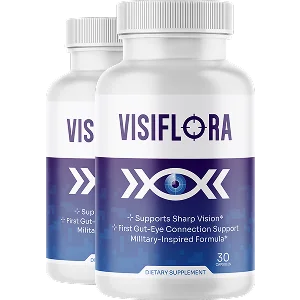
VisiFlora
Listed ingredients: Astaxanthin, Vitamin C, Vitamin E, Copper, Selenium, Chromium
TheyaVue
Listed ingredients: Lutein, Zeaxanthin, Vitamin C, Calcium, Vitamin E, Bilberry Extract
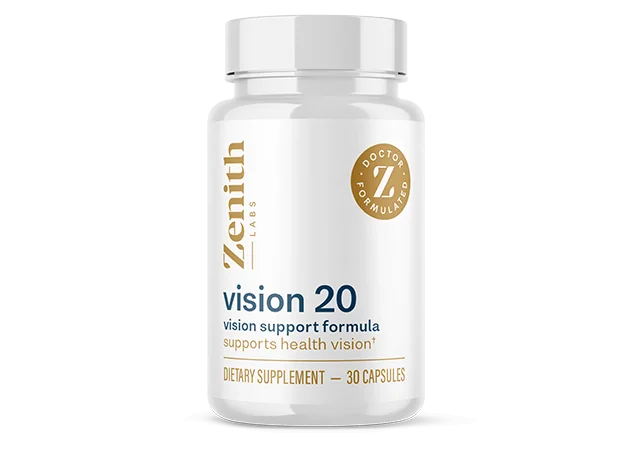
Vision 20
Listed ingredients: Lutein, Zeaxanthin, Zinc, Beta-carotene, Lycopene, Rose Hips
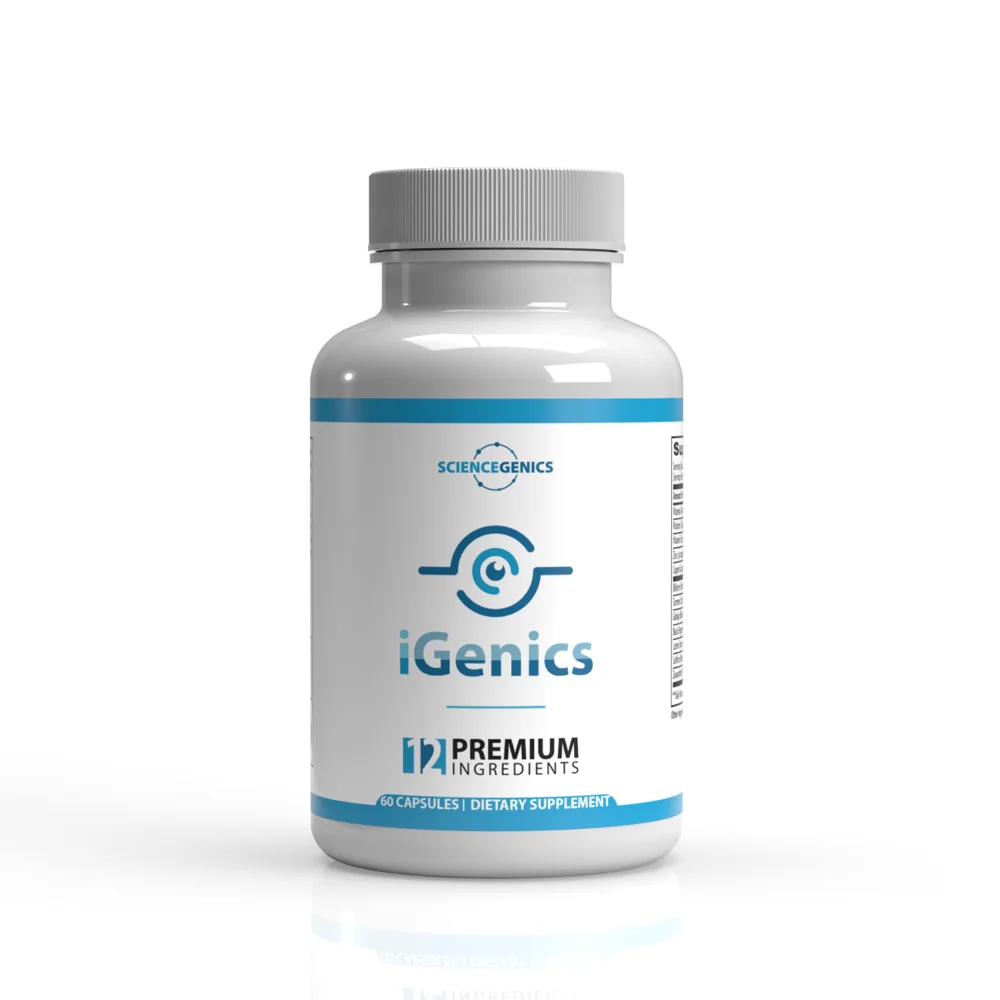
iGenics
Listed ingredients: Ginkgo biloba, AREDS-2 formula ingredients (not itemized), Bilberry, Saffron, Turmeric + BioPerine
Frequently asked questions
What are cataracts?
A cataract is a clouding of the eye's natural lens, which normally lets light focus clearly on the retina. As the lens clouds, vision becomes less sharp. Cataracts are the most common cause of vision loss in people over 40[1].
What are the early symptoms of cataracts?
Common signs include cloudy, blurry, or dim vision, faded colors, sensitivity to light and glare, halos around lights, and double vision in one eye. Some people also need frequent changes to their glasses prescription[1]. Because these overlap with other conditions, such as the causes of blurry vision, an exam is the only way to know what is going on.
Can cataracts affect night vision?
Yes. Glare from headlights and halos around lights can make driving after dark harder as a cataract develops[1]. Trouble seeing in dim light can have other causes too, so see our page on night vision and talk to an eye doctor if it is new for you.
What causes cataracts and who is at risk?
Age is the biggest factor. Other risk factors include long-term UV exposure, smoking, and diabetes[1]. Family history, eye injury, and long-term use of certain medicines such as steroids may also play a role[2]. You cannot change your age, but you can limit some of the other risks.
Can cataracts be reversed with supplements or eye drops?
No supplement has been shown to remove a cataract or restore clarity to a clouded lens. Surgery is the only treatment that removes a cataract[1]. Be cautious of any product that claims otherwise.
Is surgery the only fix? Do I need it right away?
Surgery replaces the clouded lens with a clear artificial one, and it is the only way to remove a cataract[1]. It is not always urgent. In early stages, stronger glasses, anti-glare lenses, and better lighting may help for a while[2]. You and your eye doctor decide when surgery makes sense, usually when vision problems interfere with daily activities.
Can a cataract come back after surgery?
The artificial lens does not become a cataract. Some people later develop cloudiness in the thin membrane that holds the lens, which can feel like the old symptoms returning. An eye doctor can treat it with a quick laser procedure[2].
Do lutein and zeaxanthin help with cataracts?
The AREDS2 trial tested lutein and zeaxanthin for age-related cataract. Overall, it did not find a clear reduction in cataract surgery or vision loss. A subgroup with the lowest dietary intake of these nutrients showed a possible benefit, but that was a secondary finding and does not prove the supplements work[3]. Evidence is limited.
Is the AREDS2 formula meant for cataracts?
The AREDS studies were designed mainly around age-related eye disease, and the AREDS2 formula is aimed at people at risk of advanced macular degeneration[4]. Cataract results were a secondary look at the same trial[3]. Ask your eye doctor whether the formula is appropriate for you.
Can I lower my risk of cataracts?
Some risk factors can be managed. Wearing sunglasses that block UV light, not smoking, and keeping diabetes under control are reasonable steps linked to known risk factors[1]. Regular eye exams help catch cataracts and other conditions early.