Cataracts: Signs, Symptoms, Diagnosis and When to Get Urgent Care
Cataracts are a clouding of the eye's natural lens, and they usually develop slowly. Many people first notice small changes, such as glare or dimmer colors, and are unsure whether to worry. This page explains the common signs, how an eye doctor confirms the problem, which symptoms need same-day attention, and what happens during an exam.
- Cataracts are a painless clouding of the eye's lens that usually progresses slowly, often with glare, faded colors, and blurry or dim vision.
- Age, diabetes, smoking, and UV exposure are linked to higher risk.
- Only an eye exam can confirm cataracts and rule out other causes of vision changes.
- Sudden vision loss, eye pain, new flashes or a curtain over vision, or an eye injury need same-day care.
- In AREDS2, lutein and zeaxanthin did not significantly lower the overall need for cataract surgery; surgery remains the way to remove a cataract.
What cataracts are and why symptoms creep in slowly
A cataract is a clouding of the lens inside the eye. The lens normally lets light pass through and focus on the retina at the back of the eye. When it becomes cloudy, the light is scattered or blocked and the picture gets less sharp.[1][2]
Most cataracts are related to aging, and they often progress over years. Early on, the cloudy area may be small and have little effect on sight. That is why symptoms are easy to dismiss or blame on tired eyes or outdated glasses.[1]
Cataracts can affect one eye or both. The two eyes may not change at the same pace, so one eye can seem worse than the other.
Common signs and symptoms of cataracts
Symptoms vary from person to person. The ones most often described include:
- Cloudy, blurry, or foggy vision, as if looking through a dirty window
- Colors that look faded or yellowed
- Glare from sunlight, headlights, or lamps, or halos around lights
- Trouble seeing in dim light
- Double vision in one eye
- Frequent changes in glasses or contact lens prescriptions
Problems with driving after dark are a common early complaint. Readers who mainly notice trouble in low light can find more background in the page on night vision. General haziness is covered in the page on blurry vision, which also lists other possible causes.
Cataracts are painless. Eye pain, redness, or sudden changes point toward a different problem and should be checked promptly (see the red flags below).
Risk factors that raise the odds
Age is the leading risk factor. Other factors linked to cataracts include diabetes, smoking, and long-term exposure to ultraviolet (UV) light from the sun.[1][2]
These are associations, not guarantees. Someone with several risk factors may not develop a cataract early, and someone with none can still get one.
Some of these factors can be addressed. Quitting smoking, managing blood sugar with a health care team, and wearing sunglasses that block UV are practical steps to discuss with a doctor. Surgery remains the only way to remove a cataract that is affecting daily life.[1]
How cataracts are diagnosed
Cataracts are diagnosed by an eye care professional during a comprehensive eye exam. Symptoms alone cannot confirm them, because several eye conditions cause blurred or dim vision. An exam can tell cataracts apart from problems with the retina, such as macular degeneration, which can occur at the same age and sometimes together with cataracts.[1][2]
The exam typically includes a visual acuity test, a dilated eye exam, and a check of eye pressure. During dilation, drops widen the pupil so the doctor can look at the lens and the back of the eye.[1]
The doctor can see the clouding directly and judge how much it may be affecting vision. Whether and when to have surgery depends on how much the cataract interferes with daily activities, not just on its presence.
Red flags: when to seek urgent or same-day eye care
Cataracts themselves develop gradually. Certain symptoms are not typical of a slow cataract and may signal a more urgent problem. Contact an eye doctor the same day, or go to an emergency department if one is not available, for:
- Sudden loss of vision or a sudden, major drop in clarity in one or both eyes
- Eye pain, especially with redness, nausea, or vomiting
- New flashes of light, a shower of floaters, or a curtain or shadow over part of your vision
- Sudden double vision, or vision changes with weakness, trouble speaking, or a severe headache (call emergency services)
- Any eye injury, or a chemical splash in the eye
- New redness, pain, swelling, or worsening vision after eye surgery
This list is general safety guidance and not a full diagnostic tool. If something feels wrong and sudden, it is better to be seen than to wait.
Do not rely on supplements, eye drops, or home remedies to manage sudden symptoms.
What to expect at an eye exam
Plan on spending a couple of hours, since dilation takes time to work and to wear off. Bring your current glasses or contact lenses, a list of medicines and supplements, and notes about when your symptoms started and what they are like. Arrange a ride home, because dilated eyes are sensitive to light and vision may be blurry for several hours.[1]
Expect questions about your medical history, including diabetes, smoking, past eye injuries, and any steroid use. Family history of eye disease is also worth mentioning.
The doctor will then test how well you see at different distances, check eye pressure, and examine the lens and retina. If a cataract is found, the doctor will explain how advanced it is and whether an updated glasses prescription, brighter lighting, or anti-glare lenses might help for now. Surgery is the treatment that removes the cloudy lens, and the doctor can explain the timing and options if vision is limiting daily life.[1][2]
The visit is also a chance to check overall eye health and ask about other conditions.
What the research says about lutein and zeaxanthin
Lutein and zeaxanthin are plant pigments found in the eye. The Age-Related Eye Disease Study 2 (AREDS2) tested whether adding them to the original supplement formula would affect eye outcomes in older adults.[3]
For cataracts, the AREDS2 report found that adding lutein and zeaxanthin did not significantly reduce the overall need for cataract surgery or the loss of vision from cataracts. Some findings suggested a possible benefit in people whose diets were lowest in these nutrients, but that was a subgroup result and needs confirmation.[4]
In short, the evidence is limited. These nutrients are not shown to remove or reverse a cataract, and they are no substitute for an eye exam. Anyone considering a supplement should talk with an eye doctor or pharmacist, especially if they take blood thinners or other medicines.
Eye supplements we have reviewed
Want to compare products? Read what the research says about nutrients for cataracts first, then compare the products below.
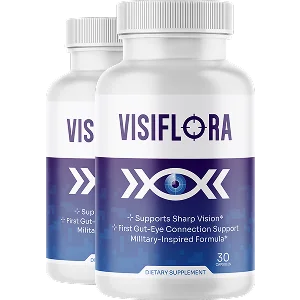
VisiFlora
Listed ingredients: Astaxanthin, Vitamin C, Vitamin E, Copper, Selenium, Chromium

TheyaVue
Listed ingredients: Lutein, Zeaxanthin, Vitamin C, Calcium, Vitamin E, Bilberry Extract
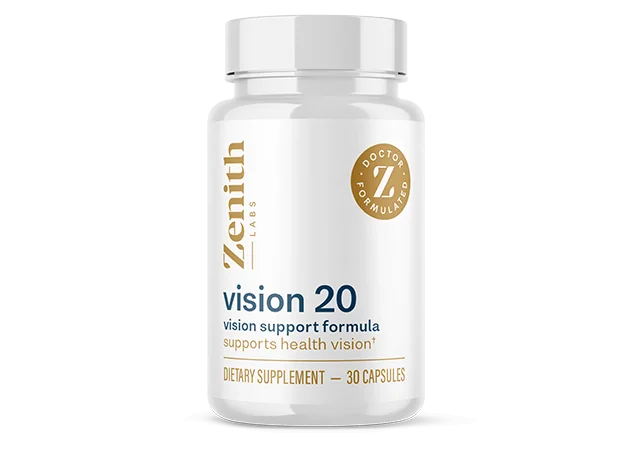
Vision 20
Listed ingredients: Lutein, Zeaxanthin, Zinc, Beta-carotene, Lycopene, Rose Hips
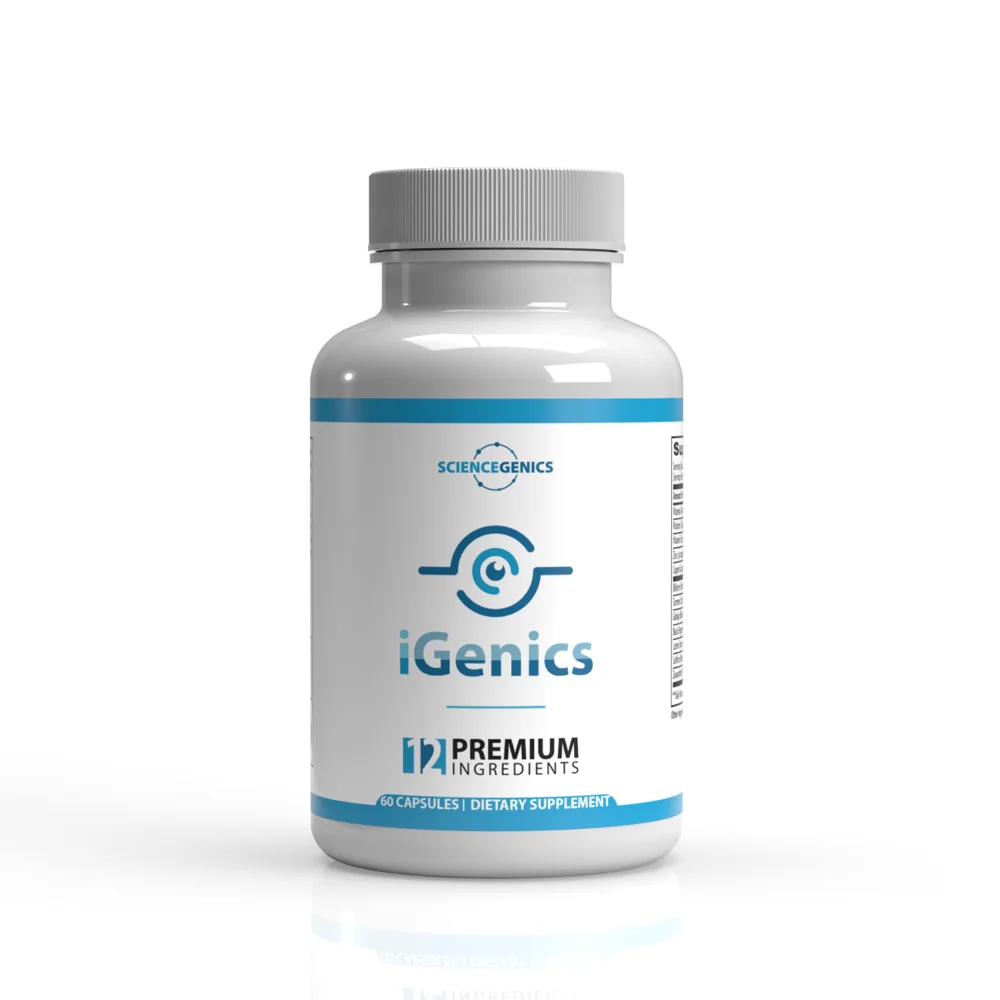
iGenics
Listed ingredients: Ginkgo biloba, AREDS-2 formula ingredients (not itemized), Bilberry, Saffron, Turmeric + BioPerine
Frequently asked questions
What are the first signs of cataracts?
Early signs often include slightly blurry or cloudy vision, glare or halos around lights, and colors that look faded. Trouble seeing in dim light and frequent prescription changes are also common.[1] An eye exam is needed to confirm the cause.
Do cataracts cause eye pain?
Cataracts are typically painless. Eye pain, especially with redness or sudden vision changes, can point to another problem and needs prompt attention from an eye doctor.
How do eye doctors check for cataracts?
They usually do a visual acuity test and a dilated eye exam, and they check eye pressure. Dilation lets the doctor see the lens and the back of the eye clearly.[1]
Can supplements clear cataracts?
No supplement has been shown to clear a cataract. In the AREDS2 trial, lutein and zeaxanthin did not significantly reduce the overall need for cataract surgery.[4] Surgery is the way to remove a cataract that affects daily life.[1]