Cataracts: Overview of Symptoms, Risk Factors and Treatment
Cataracts are a clouding of the eye's natural lens, and they are one of the most common reasons vision changes with age[1]. They usually develop slowly, and the only way to remove one is surgery. This overview covers how cataracts form, who is at risk, what to watch for, and what research says about nutrition and supplements.
- Cataracts are a clouding of the eye's lens, most often linked to aging, and they usually progress slowly.
- Common signs include blurry or dim vision, glare, halos, faded colors and trouble seeing at night, but an eye exam is needed to confirm the cause.
- Age, diabetes, smoking and UV exposure are among the recognized risk factors.
- Surgery to replace the clouded lens is the only way to remove a cataract.
- In AREDS2, lutein and zeaxanthin did not clearly lower cataract surgery rates overall. A subgroup with low dietary intake showed a possible benefit, and evidence is limited.
What cataracts are
The lens sits behind the colored part of the eye (the iris). It focuses light onto the retina at the back of the eye, much like a camera lens. A healthy lens is clear. With a cataract, part of the lens becomes cloudy, so light is scattered instead of focused sharply[1].
The result is vision that looks hazy, dim or filmy. Cataracts can affect one eye or both, and they do not always develop at the same speed in each eye. They are not painful, and they are not a growth or a spreading disease. They are a change in the clarity of the lens itself[2].
Cataracts are very common in older adults. Many people have some lens clouding for years before it affects daily life[1].
How cataracts develop
The lens is made mostly of water and protein. The proteins are arranged in a way that keeps the lens clear. With age, or after certain kinds of damage, some of these proteins can clump together and cloud small areas of the lens[1].
At first, the cloudy area may be small and barely affect sight. Over time it can grow larger and denser, scattering more light and making it harder to see clearly[2].
Cataracts can also appear for reasons other than aging. Some are present at birth, some follow an eye injury or eye surgery, and some are linked to long-term medicine use or other medical conditions. An eye doctor can tell which type is likely and how quickly it may progress.
Common symptoms
Early cataracts may cause no noticeable symptoms. As the lens clouds, people often report changes such as these[1][2]:
- Cloudy, blurry or dim vision
- Colors that look faded or yellowed
- Glare from headlights, lamps or sunlight, or halos around lights
- Trouble seeing at night
- Double vision in one eye
- Frequent changes in eyeglass or contact lens prescriptions
These symptoms are not specific to cataracts. Blurry vision can have many causes, including refractive errors, dry eye, diabetes and retinal conditions. Likewise, night vision problems can come from the lens, the retina or other issues. Only an eye exam can tell them apart, so new or worsening vision changes are a reason to book an appointment rather than guess.
Sudden vision loss, eye pain or flashes of light need urgent medical attention.
Who is at risk
Age is the main risk factor. Cataracts become more common as people get older, and they are a leading cause of vision loss in adults over 40[1]. Other factors listed by eye health organizations include[1][2]:
- Diabetes. Higher blood sugar over time is linked to a greater chance of cataracts.
- Smoking. Tobacco use is a recognized risk factor.
- Ultraviolet (UV) light. Long-term sun exposure without eye protection may add to risk.
- Family history. Cataracts can run in families.
- Eye injury or previous eye surgery.
- Long-term steroid use. Talk to a prescriber before changing any medicine.
- Heavy alcohol use.
Some risks can be reduced. Not smoking, managing diabetes with a health care team, and wearing sunglasses that block UV light are practical steps. Regular eye exams also help, because an eye doctor can spot cataracts early and track changes over time. For broader habits, see the guide to eye health.
Surgery is the only fix
Early on, stronger glasses, anti-glare lenses and better lighting may help people manage. These steps do not remove the cataract or stop it from progressing[1].
When a cataract interferes with daily activities such as reading, driving or recognizing faces, surgery is the standard option. The surgeon removes the clouded lens and replaces it with a clear artificial lens. It is one of the most commonly performed operations, and it is generally considered safe, though every surgery carries some risk[1][2].
There is no need to rush if symptoms are mild. The decision depends on how much the cataract affects daily life, other eye conditions, and personal preference. An eye doctor can explain the options, timing and risks.
No supplement has been shown to clear a cataract once it has formed. Anyone with symptoms should see an eye doctor for diagnosis and treatment advice.
Nutrition and supplements: a short preview
A balanced diet with plenty of fruits and vegetables supports general health, including the eyes. That is a reasonable habit, but it is not a proven way to prevent or slow cataracts.
The best-known research on supplements and cataracts comes from the Age-Related Eye Disease Studies. AREDS2 was designed mainly to look at macular degeneration, and it tested lutein and zeaxanthin, two pigments found in leafy greens, among other nutrients[3]. Cataract outcomes were examined as a secondary question[4].
In the overall results, adding lutein and zeaxanthin did not significantly reduce the need for cataract surgery. In a subgroup analysis, people who got the least lutein and zeaxanthin from food appeared to have a lower chance of needing cataract surgery when they took the supplement[4]. Subgroup findings like this are less certain than a main result, and they need confirmation. Evidence is limited, and these results do not show that supplements prevent cataracts.
Supplements can also interact with medicines or be unsuitable for some people, such as smokers and certain nutrients like beta-carotene. Ask a doctor or pharmacist before starting any. The supplements page on this site looks at the ingredients and the evidence in more detail.
Eye supplements we have reviewed
Want to compare products? Read what the research says about nutrients for cataracts first, then compare the products below.
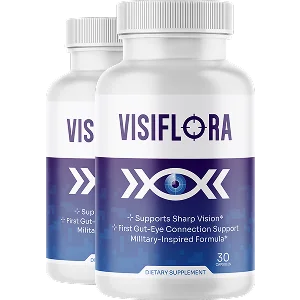
VisiFlora
Its listed vitamin C and vitamin E are antioxidants that were part of the AREDS formulas, but those studies were mainly about macular degeneration, not cataract prevention. It does not list lutein or zeaxanthin, and there is no good evidence here that astaxanthin, ginkgo, eyebright or the other listed ingredients help cataracts.
Listed ingredients: Astaxanthin, Vitamin C, Vitamin E, Copper, Selenium, Chromium
TheyaVue
It lists lutein and zeaxanthin, the nutrients tested in AREDS2. Overall, they did not clearly reduce the need for cataract surgery, though a low-dietary-intake subgroup showed a possible benefit. Evidence for the other listed ingredients, such as bilberry extract and rutin, is limited for cataracts.
Listed ingredients: Lutein, Zeaxanthin, Vitamin C, Calcium, Vitamin E, Bilberry Extract
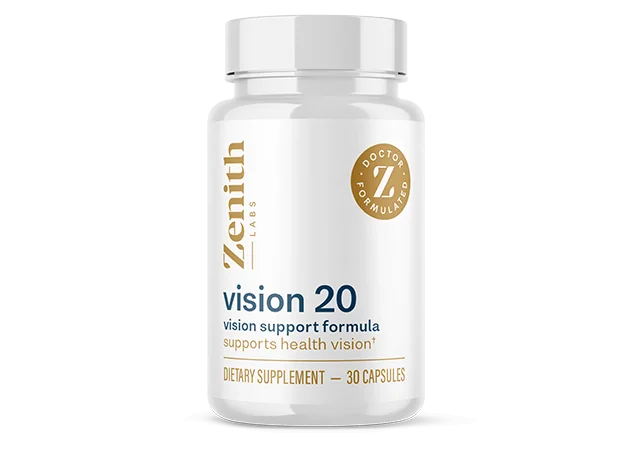
Vision 20
Its listed lutein and zeaxanthin relate to AREDS2, which found no clear overall effect on cataract surgery but a possible benefit in people with low dietary intake. There is no good evidence that the other listed ingredients, such as lycopene, taurine, grape seed extract or bilberry extract, help with cataracts.
Listed ingredients: Lutein, Zeaxanthin, Zinc, Beta-carotene, Lycopene, Rose Hips
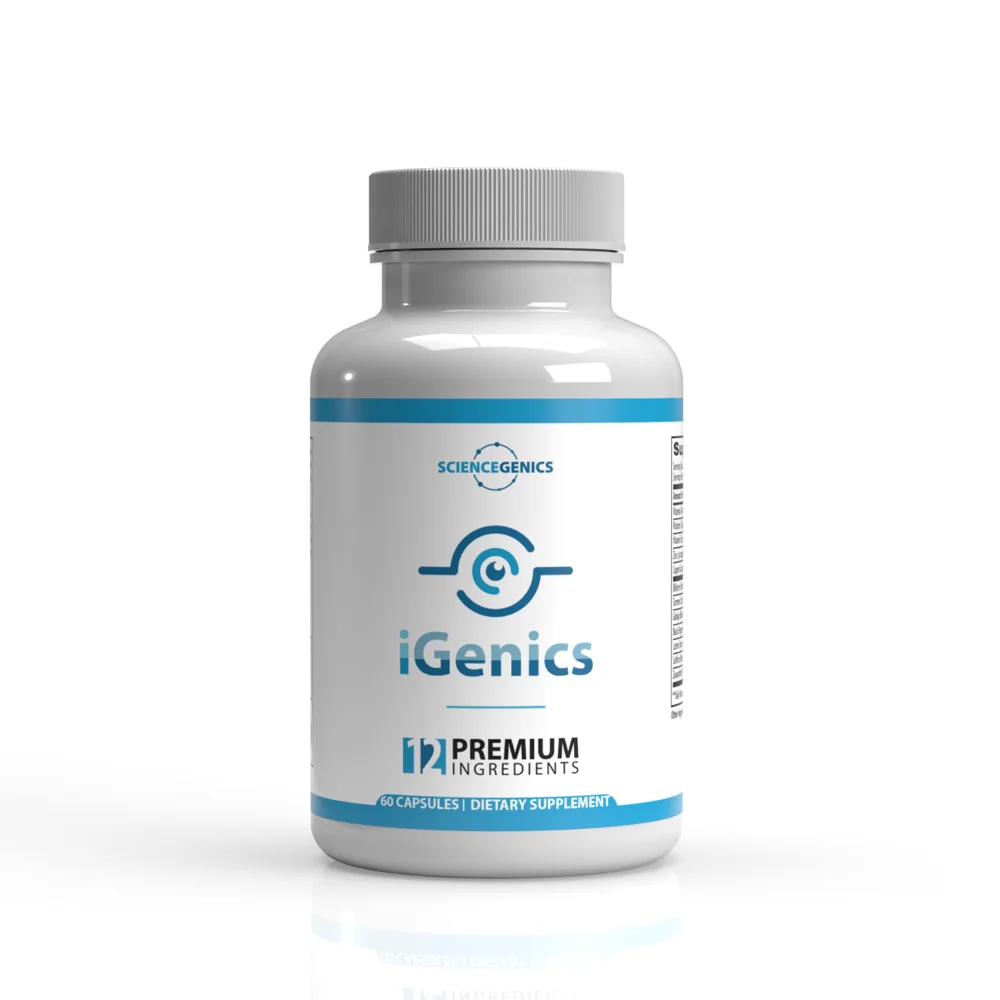
iGenics
It is said to include AREDS-2 formula ingredients, but these are not itemized, so what it contains and in what amounts is unclear. AREDS2 looked mainly at macular degeneration and found no clear overall cataract benefit from lutein and zeaxanthin. There is no good evidence that ginkgo, saffron, turmeric or bilberry help cataracts.
Listed ingredients: Ginkgo biloba, AREDS-2 formula ingredients (not itemized), Bilberry, Saffron, Turmeric + BioPerine
Frequently asked questions
Can cataracts go away on their own?
No. A cataract does not clear by itself, and it usually becomes more noticeable over time. Stronger glasses and better lighting may help early on, but surgery is the only way to remove it[1].
Do supplements prevent or treat cataracts?
No supplement has been shown to treat or prevent cataracts. In AREDS2, lutein and zeaxanthin did not significantly reduce cataract surgery overall, though a subgroup with low dietary intake showed a possible benefit that needs confirmation[4].
When should cataract surgery be considered?
Surgery is usually considered when vision problems get in the way of everyday activities such as reading or driving. An eye doctor can explain the timing, benefits and risks for each person[1][2].
Can I lower my risk of cataracts?
Some risk factors can be addressed, including smoking, blood sugar control in diabetes and UV exposure. Wearing sunglasses that block UV light and getting regular eye exams are sensible steps[1].